Soffit, Fascia & Gutter Repair in Buffalo
Buffalo's lake-effect winters are genuinely different from the rest of New York State. When a lake-effect band sets up off Lake Erie and targets the city's south and east sides, total snowfall in 24 hours can reach two to three feet of heavy wet snow. That weight at the eave line, combined with the freeze-melt-refreeze cycle that follows, creates ice dams that force water under shingles and behind fascia boards. The homes in Elmwood Village, the West Side, South Buffalo, and Lovejoy were built before ice-and-water barrier membranes were standard practice — which means eave protection often comes down to whether the fascia and soffit are still tight.
The signature call we get in Buffalo is from homeowners who noticed water stains on a ceiling near an exterior wall in February or March, long after any visible ice or snow is gone. The stain appears three or four weeks after the ice event that caused it, once the water that entered at the eave has worked its way along the rafter framing to a low point. By then the fascia is typically already compromised. A spring inspection after a hard winter — before the next season starts — is the right timing for Buffalo homeowners.
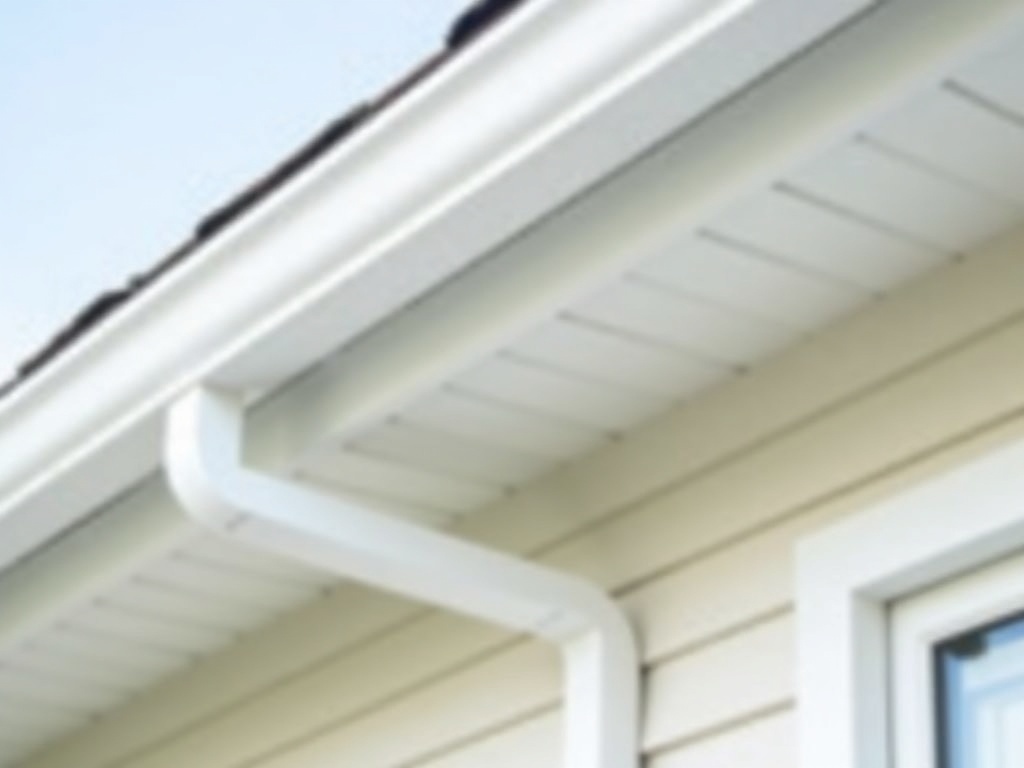
What We Fix in Buffalo
🏠 Soffit Repair & Replacement Loose or missing panels, rotted nailing channels, vented panel upgrades, gap sealing.
🪵 Fascia Board Repair & Capping Rotted board replacement, aluminum fascia wrap to prevent future moisture damage.
🌧️ Gutter Repair & Replacement Re-hang, reseal, section replacement, downspout redirection, full replacement.
🧊 Ice Dam Damage Repair Eave damage from freeze-thaw cycling, fascia infiltration, soffit moisture remediation.
🛡️ Gutter Guards Micro-mesh guard installation to reduce cleaning frequency and protect fascia.
🔍 Free Inspection Ladder-level assessment of soffit, fascia, and gutter condition. No charge, no obligation.
Common Questions from Buffalo Homeowners
What's the best time of year to repair soffit and fascia in New York?
Spring (March–May) is ideal for most New York homeowners: ice dam damage is fully visible, temperatures allow proper material setting, and summer work backlogs haven't formed yet. Fall (September–October) is the second-best window — before winter, after the summer season. Summer is fine for repairs but scheduling is tighter. Winter repairs are possible in mild windows but have more limitations.
Does the free inspection include an estimate?
Yes. The free inspection includes the on-site assessment and a written estimate itemizing the work and materials required. There is no obligation, no pressure, and no charge regardless of whether you proceed with any work. The estimate is your information to use however you choose.
How long does a new soffit or fascia replacement last in New York's climate?
Properly installed aluminum soffit and aluminum-wrapped fascia in New York typically lasts 30–50 years with no required painting and minimal maintenance. Vinyl soffit lasts 25–40 years depending on sun and moisture exposure. New wood fascia with aluminum capping lasts 30+ years. The free inspection discusses material options and expected service life for your specific home.
Do I need to be home during the inspection?
For access to the exterior perimeter, usually not — though it's preferred so the contractor can review findings with you directly. For any interior access (checking the attic from inside), someone should be present. Call (855) 606-2187 and we'll work around your schedule.
What's included in a soffit and fascia repair vs. a full replacement?
A repair addresses the specific damaged sections: removing deteriorated panels, replacing rotted framing if present, and installing new panels that match the existing profile. A full replacement removes all panels and the nailing channel, inspects and replaces framing as needed, and installs new material throughout. The inspection determines which approach is appropriate — most homeowners don't know which they need until after the ladder assessment.