Soffit, Fascia & Gutter Repair in Yonkers
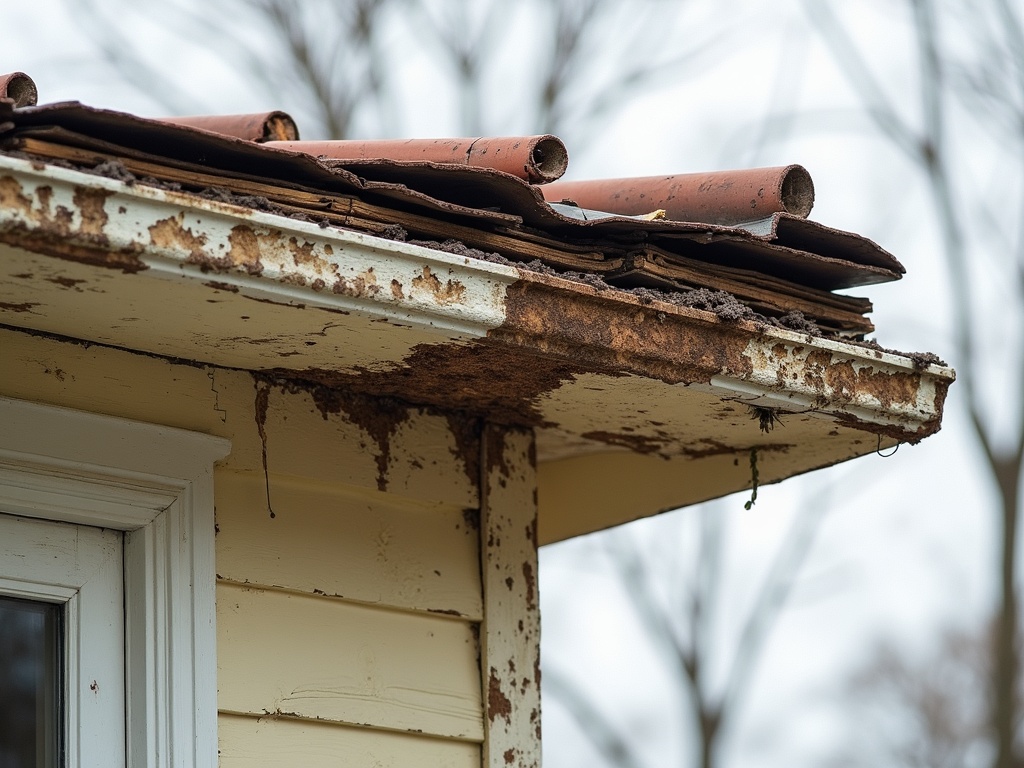
Yonkers' residential stock is heavily concentrated in 19th and early 20th century construction — Victorian row houses on the Getty Square-area streets, two-family colonials in the Nodine Hill and Park Hill neighborhoods, and early 20th century single families throughout the eastern sections. The Hudson River's width at Yonkers creates significant water vapor, and the city's urban density means many of these homes are close together with limited airflow that would otherwise dry exterior surfaces between rain events. This combination of age, humidity, and limited sun exposure creates wood soffit and fascia conditions that deteriorate faster than the same construction type in lower-density Westchester communities.
Yonkers inspections on older row-house construction often find that the soffit is a later addition — installed in the 1950s or 60s to close in what was originally an open rafter-end design. These retrofit installations often used materials that were appropriate for their time but have since deteriorated from both the ambient Hudson moisture and the periodic freeze-thaw cycling Westchester experiences from December through March. Replacing them with properly sealed aluminum panels is both the structural fix and the permanent maintenance solution.
What We Fix in Yonkers
🏠 Soffit Repair & Replacement Loose or missing panels, rotted nailing channels, vented panel upgrades, gap sealing.
🪵 Fascia Board Repair & Capping Rotted board replacement, aluminum fascia wrap to prevent future moisture damage.
🌧️ Gutter Repair & Replacement Re-hang, reseal, section replacement, downspout redirection, full replacement.
🧊 Ice Dam Damage Repair Eave damage from freeze-thaw cycling, fascia infiltration, soffit moisture remediation.
🛡️ Gutter Guards Micro-mesh guard installation to reduce cleaning frequency and protect fascia.
🔍 Free Inspection Ladder-level assessment of soffit, fascia, and gutter condition. No charge, no obligation.
Common Questions from Yonkers Homeowners
What is aluminum fascia capping and should I get it?
Aluminum fascia capping covers your existing wood fascia board with a formed aluminum skin, protecting it from direct moisture contact without requiring the board to be replaced. In New York's climate — with meaningful winters and humid summers — capping makes sense whenever the underlying board is still structurally sound but is showing paint failure or light surface deterioration. It extends the board's life by 20+ years and eliminates the repainting cycle.
How do I know if my soffit ventilation is adequate?
Signs of inadequate soffit ventilation include significant ice dam formation in winter, excessive attic heat in summer, and moisture buildup in the attic space. Vented soffit panels require clear pathways to the ridge — if insulation has been blown over the soffit plates in the attic, airflow is blocked regardless of how the exterior panels look. The inspection evaluates both the soffit condition and the ventilation pathway.
Can soffit panels be matched to my existing material?
In most cases, yes. Standard aluminum soffit profiles (smooth, beaded, vented) are widely available in matching widths and colors. Discontinued vinyl profiles from the 1970s or 80s are occasionally difficult to match exactly, but the contractor will source before scheduling work and advise you on the options before anything is ordered.
What damage does ice really do to fascia boards?
Ice dam meltwater is under pressure from the snow and ice mass above it. When it backs up behind the fascia board, it enters the wood through any joint, crack, or unpainted end grain. Repeated freeze-thaw cycling within the wood fibers breaks down the cellular structure. By the time the board looks soft or spongey from outside, it has typically been compromised internally for at least one winter season. The inspection determines whether it's at the repair or replace threshold.
Is the Soffit Fascia Guys phone number answered locally in New York?
Yes. Calls to (855) 606-2187 are answered by the contractor network serving New York State. When you call, describe your location and what you're seeing, and a licensed local contractor in your area of New York will schedule the free inspection.