Soffit, Fascia & Gutter Repair in Rhinebeck
Rhinebeck's architectural character along the Post Road and in the village core is defined by structures with specific roofline profiles that were never mass-produced and are no longer available off the shelf. Federal and Greek Revival cornices, original wood fascia boards on Dutch colonial structures, and trim profiles on mid-19th century homes all require sourcing and milling that a general handyman isn't equipped to handle. The Hudson Valley's winters add urgency: any open joint in a historic roofline system in Rhinebeck is deteriorating through every rain and freeze event.
The Dutchess County freeze-thaw cycle runs from November into March in most years, and the Hudson River's proximity to the western edge of the village adds shoulder-season moisture that extends the risk window. Rhinebeck homeowners with historic structures should view the roofline as a preservation priority rather than a deferred maintenance item — the cost of properly matching and replacing a deteriorated fascia section is substantially less than what a rafter tail repair adds when moisture reaches the structural framing.
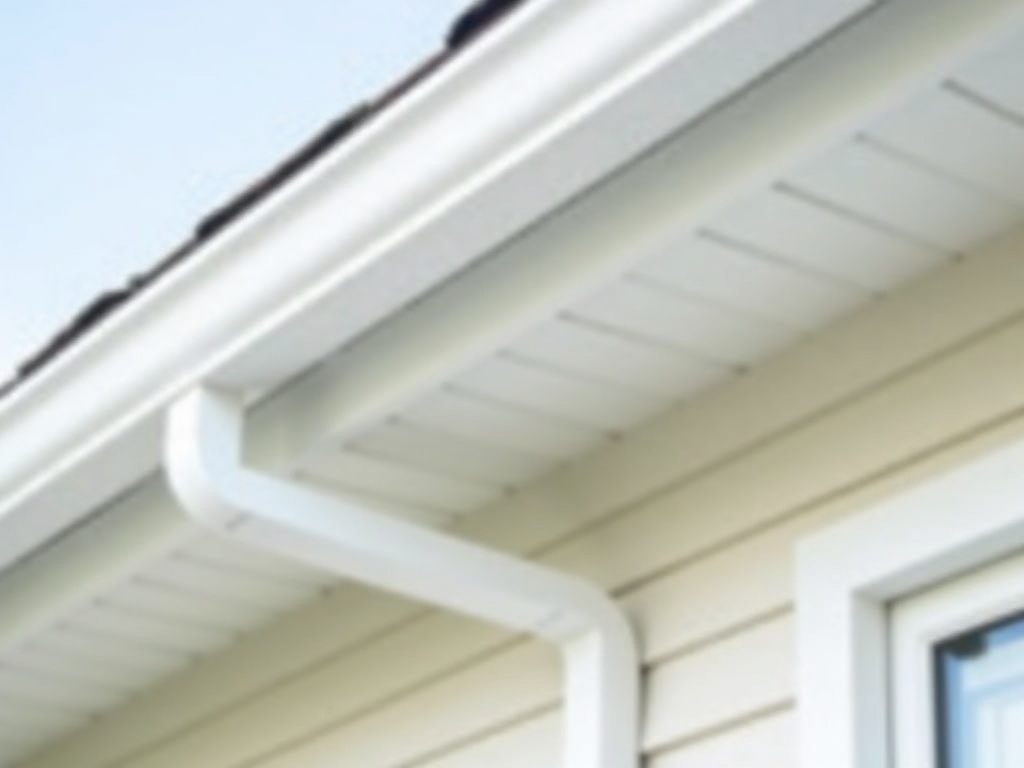
What Fails First on Rhinebeck Homes
Rhinebeck's Federal, Greek Revival, and Dutch colonial homes have rooflines that were never mass-produced. Their failures come with the extra problem of matching what's there.
- Federal and Greek Revival cornices
These cornices are built up from profiled pieces, and open joints let water in at each layer. Decay spreads inside, and a repair needs milled replacements rather than stock parts.
- Original wood fascia on Dutch colonials
Boards on older farmhouse-style homes have carried centuries of weather. Where a section fails, the replacement has to match the original width and profile.
- Trim profiles on mid-19th century homes
Trim details from the period aren't sold off the shelf. A rotted piece that's put off tends to take adjacent pieces with it.
- Open joints in a roofline system
Any open joint deteriorates through every rain and freeze. On historic homes, a small gap grows quickly and can reach the framing.
Soffit & Fascia Repair Cost in Rhinebeck
Rhinebeck homes are often historic and large, with 180 to 350 linear feet of roofline and custom trim. Hudson Valley labor rates apply, and milling adds to cost. Prices are installed, including tear-off and disposal.
| Job | Typical Range | What it covers |
|---|---|---|
| Soffit repair | $450–$1,500 | Open joints, loose boards, resealed returns |
| Fascia replacement (one elevation) | $2,400–$6,500 | New board matched to the existing profile, gutter re-hung |
| Aluminum fascia capping | $12–$26 per linear foot | Formed aluminum over sound wood where appropriate; about $2,400–$6,500 for a typical house |
| Full soffit and fascia replacement | $6,000–$14,000 | Whole roofline in one visit; large historic homes can exceed this |
Profile milling and historic matching are priced after we see the trim. See the statewide cost guide for baseline numbers.
How Rhinebeck Roofline Damage Differs from the Rest of New York
In Rhinebeck the roofline is part of the architecture, and the repair question is as much about preservation as maintenance. A swap of modern trim for the original changes how a house looks, and in a historic village that matters.
The Hudson Valley's freeze-thaw season runs from November into March, and the river adds shoulder-season moisture, so the weather side is demanding too.
Treating the Roofline as a Preservation Priority
Matching and replacing a deteriorated section of fascia costs far less than what a rafter tail repair adds once moisture reaches the structure. Early attention is the economical choice for a historic home.
We tell you at the inspection which parts can be repaired in kind, which need milled replacements, and what each option costs.
What We Fix in Rhinebeck
Loose or missing panels, rotted nailing channels, vented panel upgrades, gap sealing.
Rotted board replacement, aluminum fascia wrap to prevent future moisture damage.
Re-hang, reseal, section replacement, downspout redirection, full replacement.
Eave damage from freeze-thaw cycling, fascia infiltration, soffit moisture remediation.
Micro-mesh guard installation to reduce cleaning frequency and protect fascia.
Ladder-level assessment of soffit, fascia, and gutter condition. No charge, no obligation.