Soffit, Fascia & Gutter Repair in Brentwood
Brentwood is one of the largest hamlets on Long Island, built out through an intense postwar development push that filled the Town of Islip's central section with single-family homes in the 1950s and 1960s. The scale of that construction means Brentwood has an enormous inventory of homes that all share the same roofline vintage — original soffit systems, wood fascia, and gutter hardware installed within a narrow window and now decades past their design life. Long Island's freeze-thaw winters and humid, storm-prone summers have cycled these materials through more than half a century of expansion, contraction, and moisture exposure.
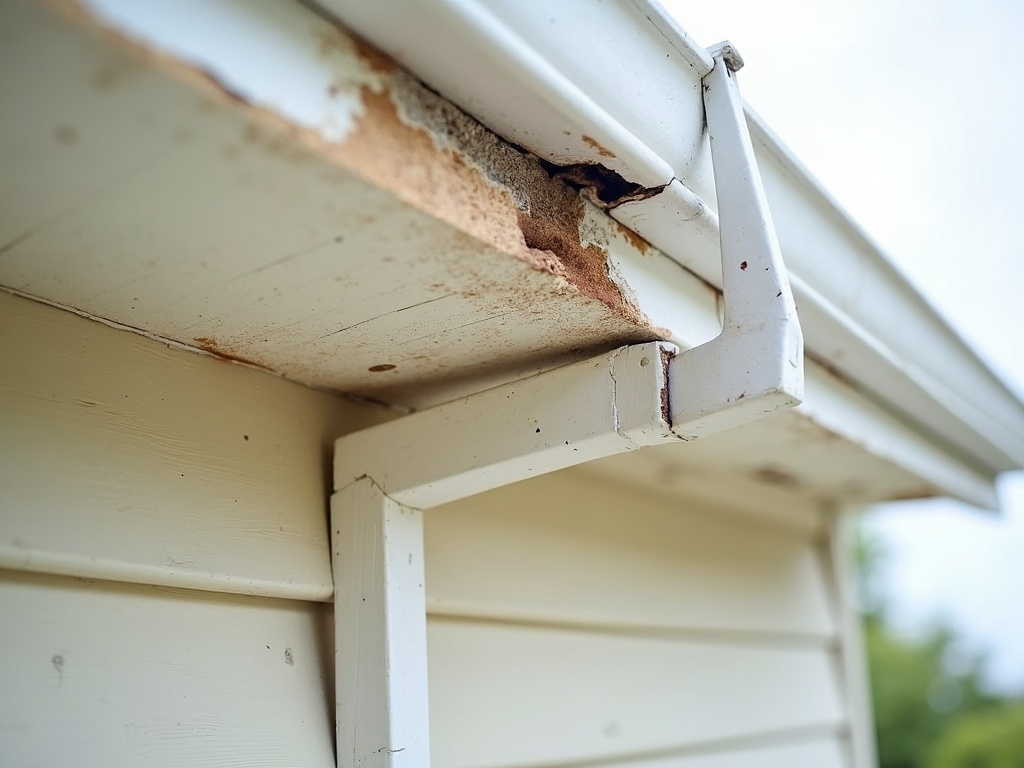
On homes this age, the failures compound: a rotted fascia board lets a gutter pull loose, the loose gutter overflows onto the soffit, and the soffit begins to fail in turn.
Most Brentwood inspections reveal that what looked like a single problem is really a chain reaction that's been building for years. Catching it at the fascia stage — before the water reaches the roof deck or the rafter tails — is what keeps a repair from becoming a much larger project. Soffit Fascia Guys offers a free, on-site inspection throughout Suffolk County that assesses the entire roofline and gives you a clear, itemized estimate with no pressure.
When gutters have been pulling away from rotted fascia, our gutter installation re-establishes proper drainage once the fascia behind it is sound again.
What Fails First on Brentwood Homes
Brentwood is one of the largest hamlets on Long Island, built out in the 1950s and 1960s. The same few house types, built in a narrow window, fail in a very consistent order.
- Fascia that rots and releases the gutter
The first domino is usually a rotted fascia board. It lets a gutter pull loose, and that's the visible start of the chain.
- Soffit soaked by overflowing gutters
A loose gutter overflows onto the soffit below it. The soffit then begins to fail in turn, and the damage spreads from the edge inward.
- Rafter tails and roof deck at the eave
If the chain runs long enough, water reaches the rafter tails and the roof deck edge. That's when a trim repair turns into a carpentry repair.
- Additions and conversions with mismatched trim
Many Brentwood homes have been enlarged over the decades, with new sections joined to old rooflines. The seams between them are common leak points.
Soffit & Fascia Repair Cost in Brentwood
Brentwood homes are mostly 900 to 1,800 square feet, Capes and ranches, often on compact lots, with 130 to 210 linear feet of roofline. Long Island labor rates apply. Prices are installed, including tear-off and disposal.
| Job | Typical Range | What it covers |
|---|---|---|
| Soffit repair | $425–$1,300 | Loose panels, damaged boards, resealed returns |
| Fascia replacement (one elevation) | $2,000–$4,800 | New board along one side, gutter re-hung to solid material |
| Aluminum fascia capping | $10–$22 per linear foot | Formed aluminum over new or sound wood; about $1,600–$4,000 for a typical home |
| Full soffit and fascia replacement | $4,800–$10,500 | Whole roofline in one visit, with vented soffit |
An itemized estimate lets you phase the work if you need to, starting with the worst elevation. See the statewide cost guide for baseline numbers.
How Brentwood Roofline Damage Differs from the Rest of New York
Brentwood's difference is scale and sameness. Tens of thousands of homes were built to a handful of plans in one burst, so when the roofline reaches end of life, it does so across the entire hamlet at once.
The damage here is a chain reaction, one failure feeding the next, not a single event. Stopping the chain early is what keeps the cost down.
Catching It at the Fascia Stage and Phasing the Work
Catching damage at the fascia stage, before water reaches the roof deck or the rafter tails, is what keeps a repair from becoming a much larger project.
If budget is a concern, we can itemize the estimate by elevation so you can address the worst sides first and plan the rest.
What We Fix in Brentwood
Loose or missing panels, rotted nailing channels, vented panel upgrades, gap sealing.
Rotted board replacement, aluminum fascia wrap to prevent future moisture damage.
Re-hang, reseal, section replacement, downspout redirection, full replacement.
Eave damage from freeze-thaw cycling, fascia infiltration, soffit moisture remediation.
Micro-mesh guard installation to reduce cleaning frequency and protect fascia.
Ladder-level assessment of soffit, fascia, and gutter condition. No charge, no obligation.